
 Photoshop
 Maya
Maya ZBrush
 Houdini
 Substance Painter
 Blender
 Unreal Engine
 Arnold
 Nuke
Nuke KeyShot
 V-Ray
V-Ray Mari
Mari Marvelous Designer
 Marmoset Toolbag
 Substance Designer
 3ds Max
 3DCoat
 Redshift
 Faceform Wrap
 Lightroom
 After Effects
 OctaneRender
 SpeedTree
 Daz 3D
 Agisoft Metashape
 Fusion
 Modo
Modo RealityCapture
 Gaea
Gaea Cinema 4D
 Gravity Sketch
 Premiere
 Procreate
 Clip Studio Paint
 SketchUp
 SketchBook
 Katana
 Natron
 Mudbox
 Quixel Bridge
 Quixel Megascans
 Quixel Mixer
 Substance 3D Modeler
 World Creator
 Yeti
Yeti Ziva VFX
 Mixamo
 Adobe Medium
 Quixel DDO
 xNormal
 Meshmixer
 Storyboard Pro
 DaVinci Resolve
 TreeIt
 World Machine
 Gaffer
 Corel Painter
 SynthEyes
 Krita
Krita Massive
 Materialize
 Unity
Unity Ornatrix
 PreForm
 Moi 3D
 animBot
 QuickTime
 ReCap
ReCap
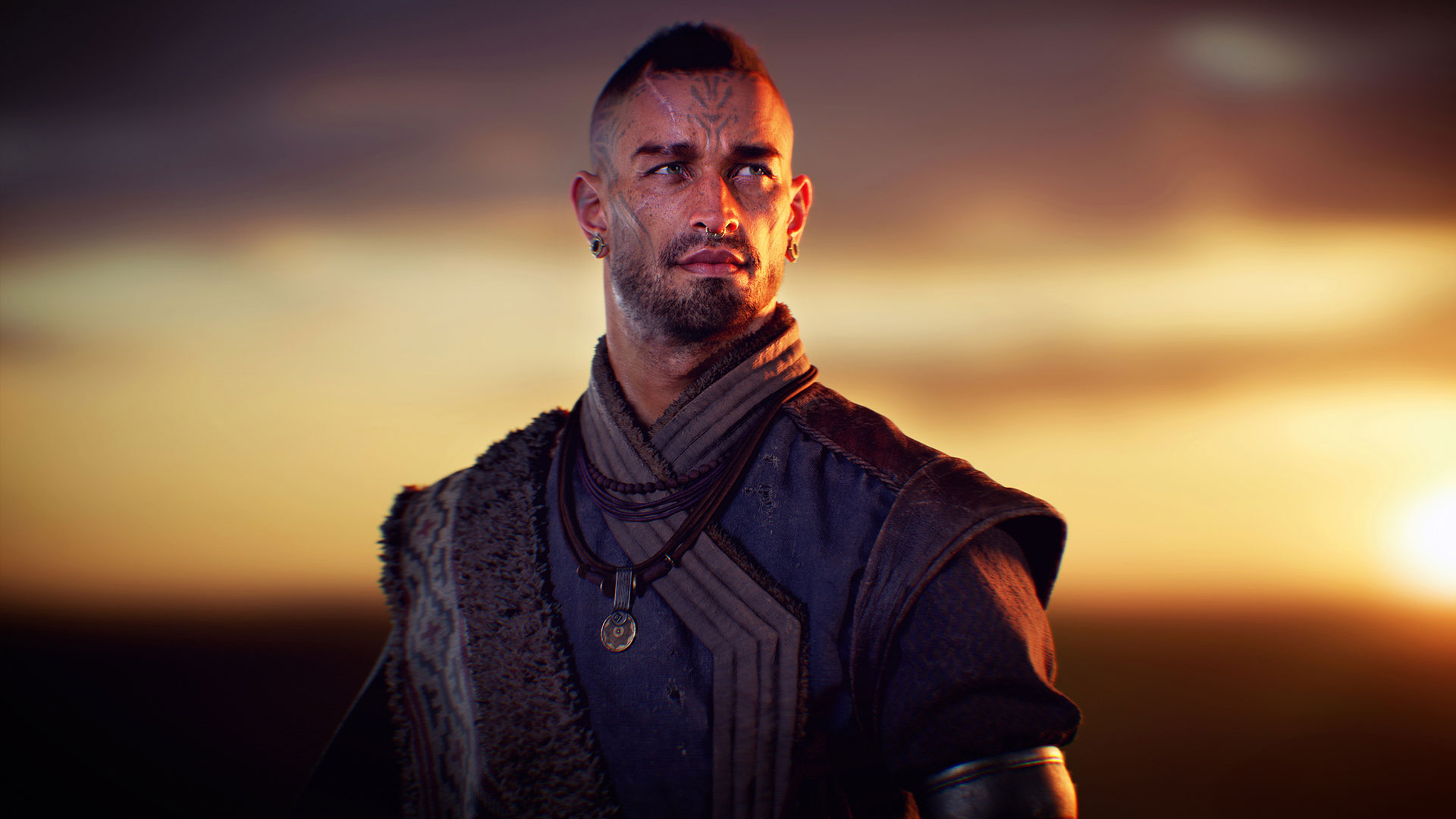

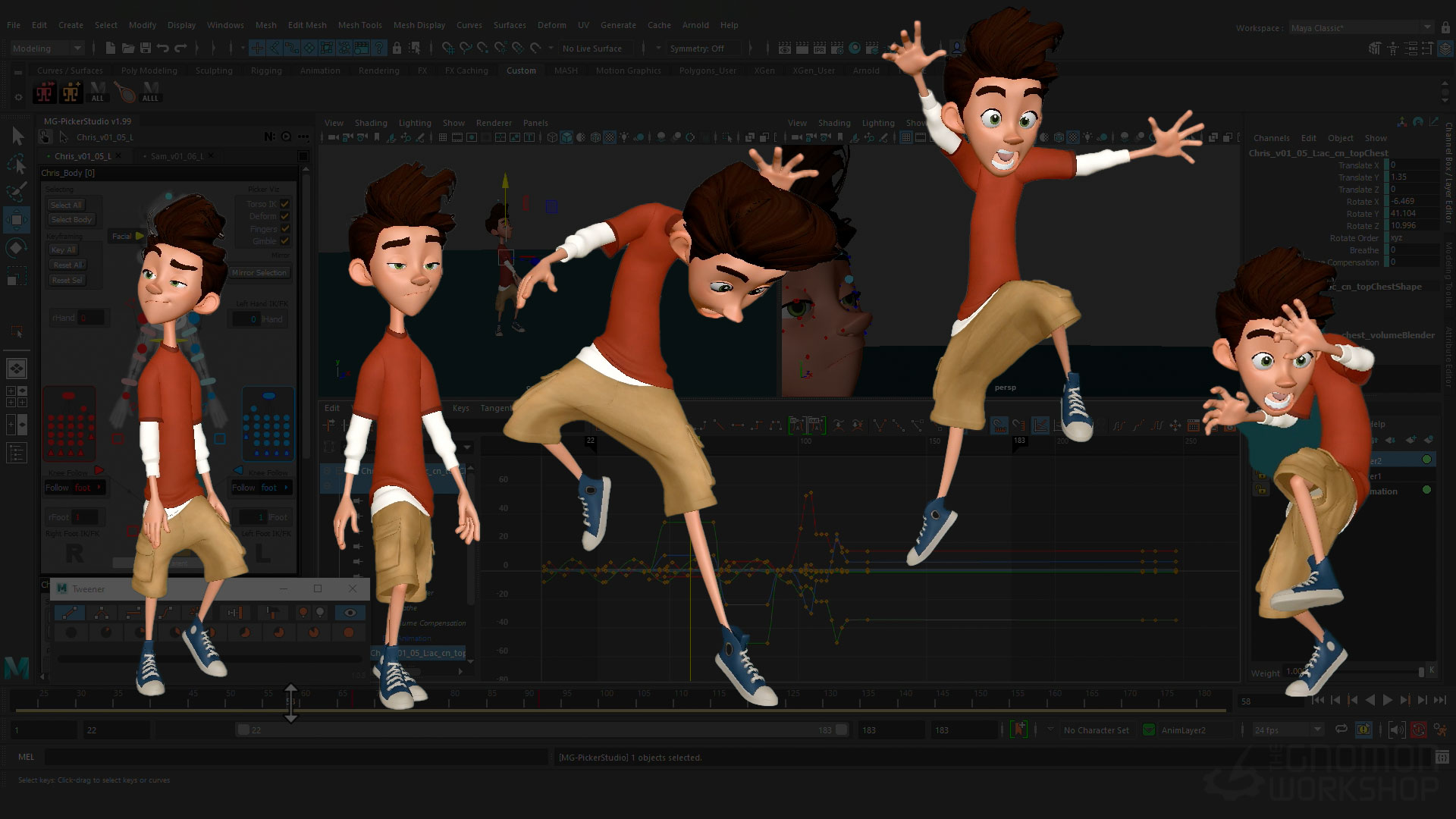





Learn how to unlock your creative potential using Photoshop and 3D-Coat to create dynamic character illustrations and keyframe art. This workshop by Art Director Bram Sels is intended for digital artists, illustrators, and concept artists with intermediate to advanced skills.
Over the course of two hours, Bram shows how to seamlessly integrate 3D sculpting in 3D-Coat with 2D painting in Photoshop to help you explore character anatomy, master digital painting techniques, and perfect the lighting in your illustrations. You’ll also learn how to apply your knowledge to conjure up impressive and dynamic keyframes.
The workshop begins with gathering references, and Bram discusses how to create an interesting brief for a professional portfolio piece. You’ll discover the importance of thumbnails and jump into a crash course in 3D-Coat to learn the basics before tackling any sculpting work. Bram shares how to create a base mesh in Daz 3D, as well as how to import a character mesh into 3D-Coat to sculpt, paint, and render out your scene. The final focus of the workshop utilizes Photoshop to paint an environment and integrate the character into your painted scene before adding the final touches and effects to create the polished illustration.
Project files included with this workshop provide a collection of assets that can be used to further experiment and elevate your own character designs, including Bram’s 3D-Coat file, Photoshop file, and thumbnails for reference.
10 Lessons
Bram introduces his workshop, starting with the fundamental lesson that creative freedom paradoxically comes from establishing clear boundaries at the outset. Rather than limiting imagination, a well-constructed reference board and briefing provide focus, reduce anxiety, and create a manageable framework for experimentation. His disciplined approach to the initial planning stage yields cohesive, successful illustrations, whether working independently or collaboratively.
Duration: 4m 56s

The thumbnail phase taught in this lesson is a critical foundation that allows artists to explore compositional ideas efficiently without the pressure of perfection. By deliberately limiting focus to one element at a time, first composition, then silhouette, then color and atmosphere, artists can make stronger creative decisions and avoid settling for their first, often most obvious, idea. Bram's disciplined approach of working quickly, stepping away for perspective, and maintaining focus on big shapes rather than details creates a relaxed yet productive workflow that yields more dynamic and original results.
Duration: 12m 32s

3D-Coat offers a remarkably accessible and intuitive workflow for artists who prioritize creative flow over technical complexity. By working entirely within the software's three main rooms and leveraging voxel-based modeling, users can quickly create, texture, and render detailed 3D objects without getting bogged down in the technicalities of traditional 3D pipelines. This makes 3D-Coat an excellent choice for concept artists and designers who want to integrate 3D elements into their work while maintaining speed and creative momentum.
Duration: 20m 8s

Bram shows how DAZ Studio provides an accessible entry point for artists who need realistic human figure references and base models. Its greatest strength lies in combining ease of use with anatomical accuracy, making it ideal for creating foundation poses that can be exported and further developed in more advanced 3D modeling software. While limited in rendering capabilities, Bram demonstrates how it excels as a specialized tool for generating properly proportioned and realistically posed human figures.
Duration: 2m 45s

This lesson demonstrates a practical approach to using 3D sculpting software as an illustration tool rather than for traditional 3D production. By treating 3D-Coat as a means to create a detailed base "mannequin" for painting over in Photoshop, artists can work faster and more flexibly than drawing everything from scratch while maintaining the freedom to make camera and composition changes easily. The key is understanding what level of detail and accuracy is actually needed for the final 2D output and not getting bogged down in technical considerations that don't serve that specific goal.
Duration: 39m 53s

This lesson demonstrates an efficient, artist-friendly approach to texturing 3D characters that prioritizes creative flow over technical perfection. By using 3D-Coat to establish material foundations and value relationships, then refining in Photoshop, artists can maintain momentum without getting bogged down in technical challenges. Bram's emphasis on making deliberate decisions about material properties and their visual relationships ensures that even the technical aspects of 3D work remain engaging and artistically fulfilling.
Duration: 12m 18s

This lesson emphasizes that effective 3D rendering relies on thoughtful lighting setup rather than complex technical settings. By strategically positioning complementary lights with different qualities and taking time to perfect the lighting before rendering, artists can significantly reduce post-production work and achieve more professional, cinematic results directly from their 3D software.
Duration: 2m 18s

This lesson emphasizes efficiency through strategic layer management and a disciplined, stage-by-stage approach to illustration. By separating environmental work from character development and using photographs solely as selection tools rather than finished elements, Bram maintains creative control while speeding up the process. His key teaching is that proper technical setup of clean layers, strategic placement of lighting, and thoughtful use of contrast ultimately serve the creative goal of directing viewer attention to the intended focal point.
Duration: 10m 44s

This lesson emphasizes that successful character illustration is about guiding the viewer's eye and maintaining narrative immersion rather than achieving technical perfection. By strategically managing contrast, detail, and design elements while keeping most attention on the focal point (the character's face), artists can create compelling illustrations that feel cohesive and painterly. Bram's key lesson is restraint: not every element needs maximum detail or saturation — in fact, limiting these qualities to specific areas can create stronger, more effective imagery that keeps viewers engaged with the story.
Duration: 20m 14s

This final lesson emphasizes a philosophy of strategic enhancement in which the focal point remains highly detailed, while supporting elements receive effects that add dynamism and depth. Bram's key focus is teaching when and where to apply effects. His focus is on keeping the viewer's eye on what matters most while using blur, motion, and color strategically to create a polished, professional final image. His approach balances technical precision with artistic judgment to achieve a cohesive, impactful result.
Duration: 4m 57s

Primary tools
For this workshop you’ll need:


Project Files
When you download the workshop files, you'll get access to all the project assets from Bram Sels' Satyr sculpting workshop. Inside, you'll find:
- 3D Coat project file (.3b) – The complete sculpting project with all sculpting layers, textures, and modeling history intact
- Photoshop design file (.psd) - Keyframe artwork and concept materials with editable layers for reference and study
- Reference images (.jpg) - Thumbnail sketches and visual references to guide your sculpting process
Skills Covered
Who’s this Workshop for?
This workshop is specifically designed for digital artists, illustrators, and concept artists with intermediate to advanced skills who want to enhance their character illustration capabilities. Artists already comfortable with basic digital painting will find the most value in this advanced workflow integration.
Game developers, entertainment industry professionals, and freelance artists looking to create portfolio-quality keyframe art will significantly benefit from these lessons. The workshop provides practical skills for producing dynamic character illustrations that meet professional industry standards and client expectations.
Learning Outcomes
By completing this workshop, artists will master integrating 3D sculpting and 2D painting workflows to create professional-quality character illustrations and keyframes.
Key skills include:
- How to create compelling briefs and gather effective references for professional portfolio pieces.
- How to use thumbnailing techniques to plan dynamic compositions before beginning detailed work.
- How to create and import base meshes from Daz 3D into 3DCoat workflows.
- How to sculpt, paint, and render character models effectively within 3DCoat software.
- How to seamlessly integrate 3D rendered characters into painted environments using Photoshop.
- How to master lighting techniques that enhance character anatomy and scene dynamics.
- How to apply final touches and effects to achieve polished, professional illustration results.


